
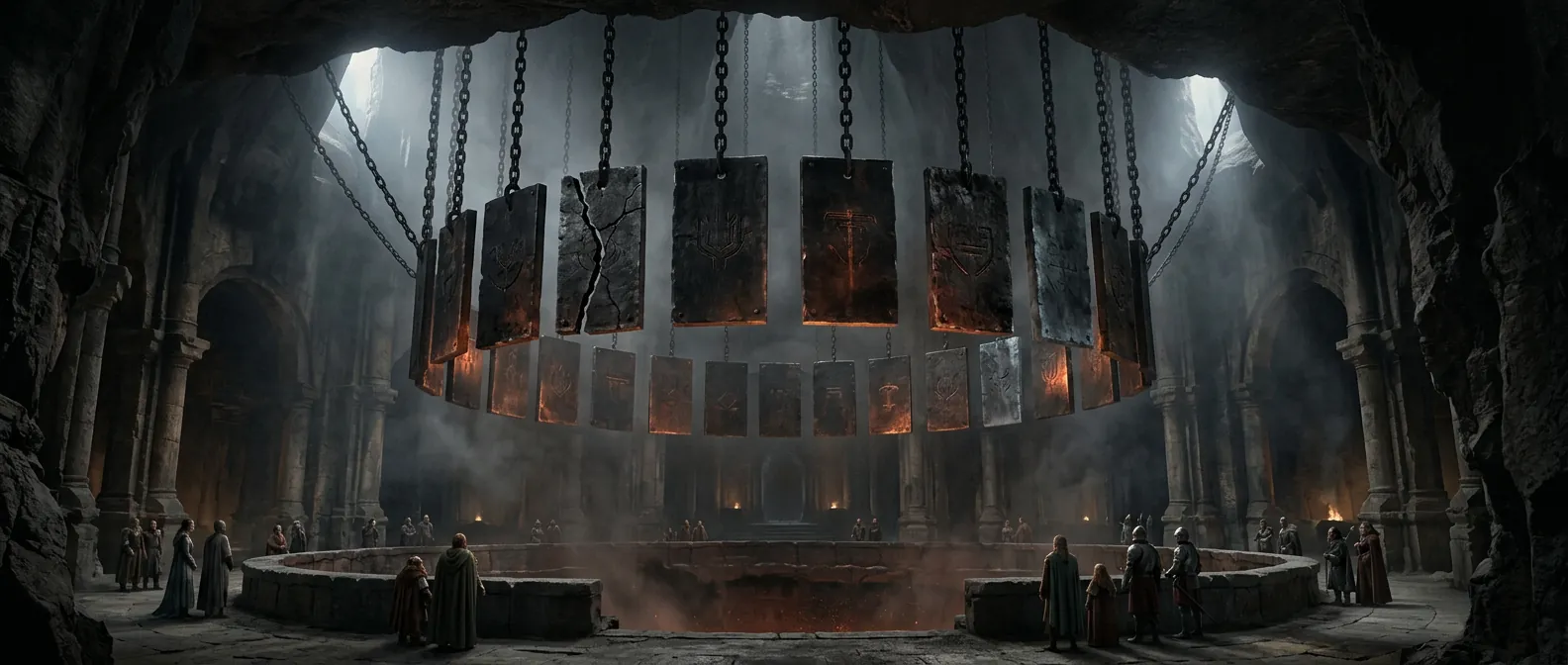
The Ring
Eighty-one plates were struck at the signing, one per signatory, each the head of a bloodline that mattered enough to be in the room. Three now hang cracked, two are fracturing, seven are cold and the remaining sixty-nine are warm. The ring is the entire legal order of the world, and it records who held power in a year nobody alive remembers.
The plates are the only enforcement the Accords have, and the alarm only covers what is wired into it. Kill a dragon whose blood is on no plate and nothing cracks, because the ring has never heard of them.
II.1 · Roster
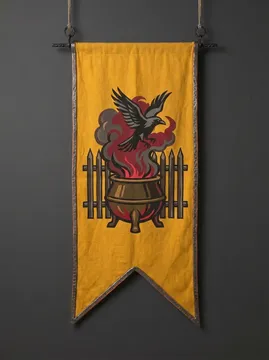
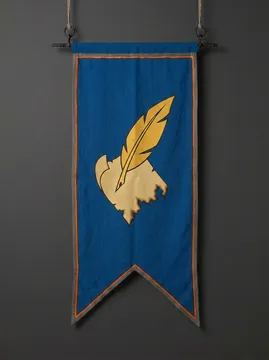
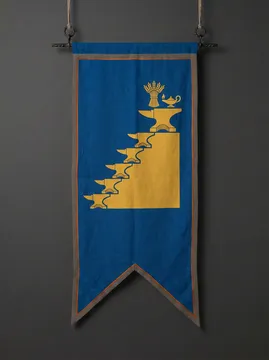
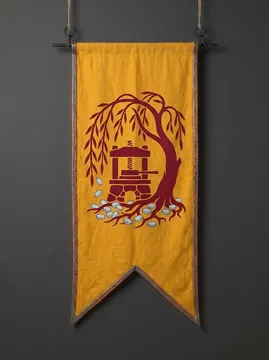
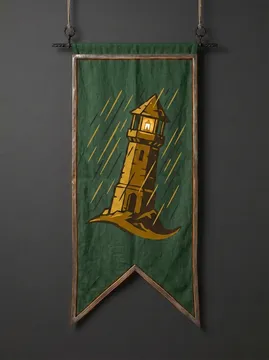
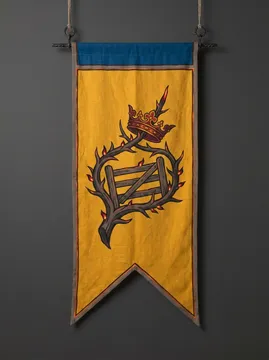
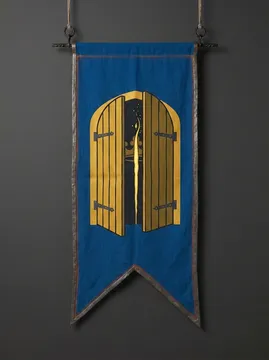
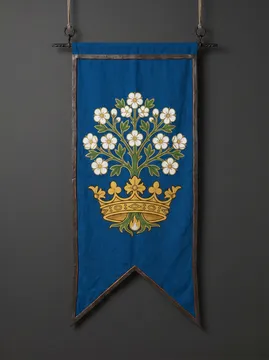
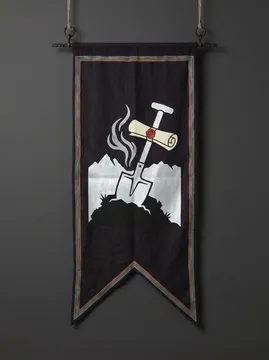
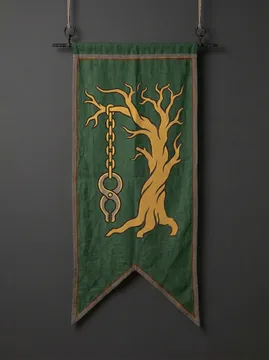
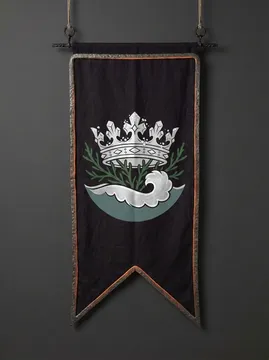
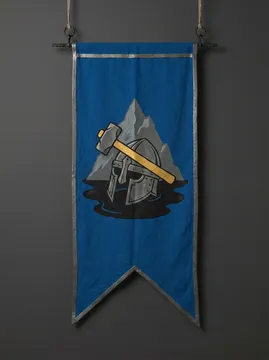
Eighty-one banners in the order the last assize left them: by band, and inside a band by plate number, because the figure behind the band is not published. A house at the bottom of a band hangs beside a house at the top of it and reads the same. Each banner goes to that house’s own entry — what it holds, where it holds it, whose it is, and the state of its iron.
Cold and cracked plates hang grey. A cracked plate keeps the band it was struck at and its entry stands unamended, so three of the banners below belong to houses that ended.
Paramount
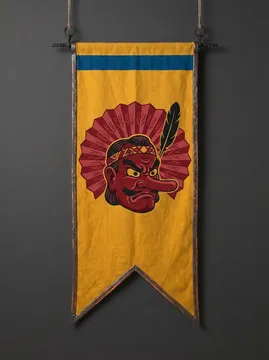
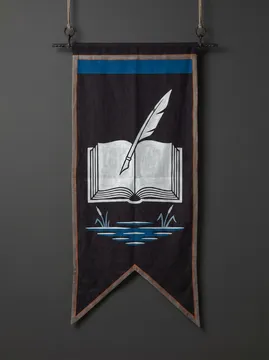
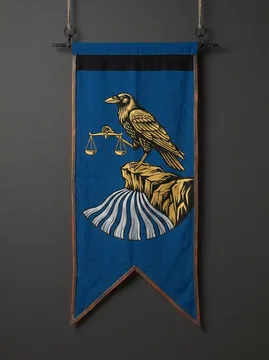
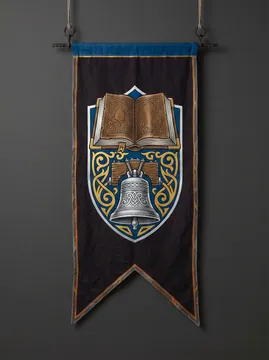
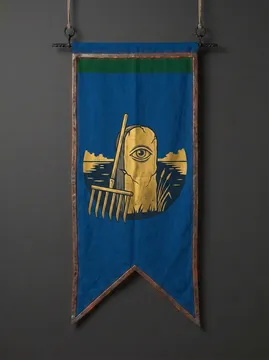
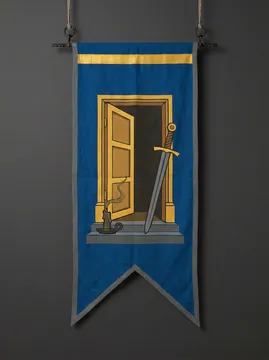
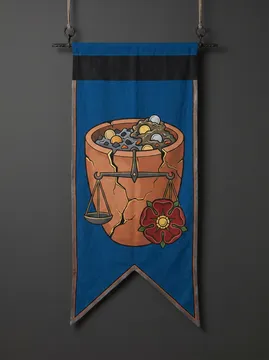
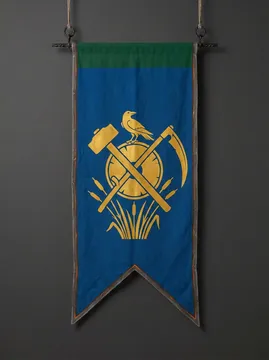
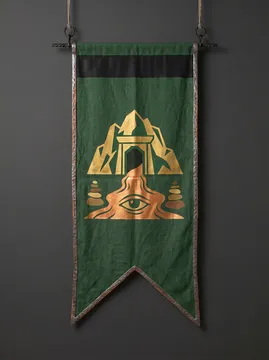
Great
-
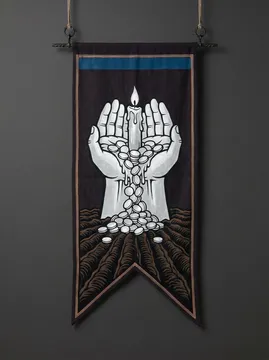 Faenlorn 01
 -
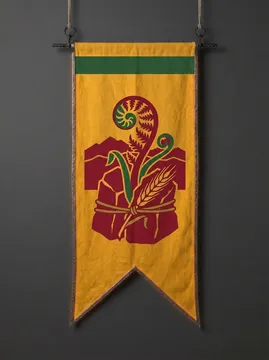 Brakkenstone 08
 -
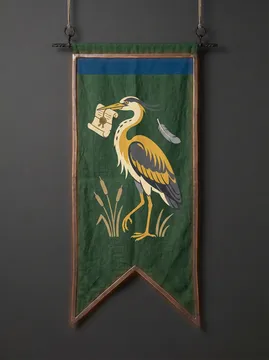 Ashcrole 09
 -
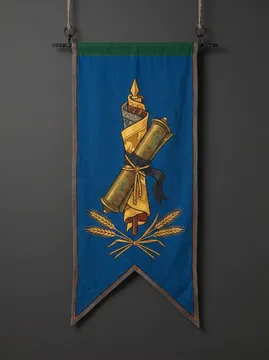 Sorrenmark 14
 -
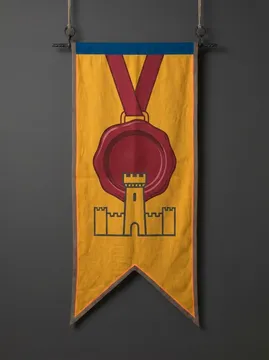 Wexhollow 15
 -
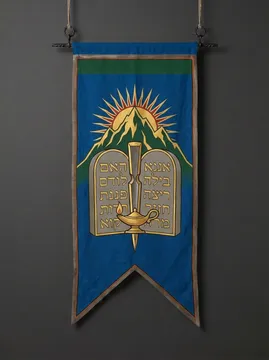 Steinvald 19
 -
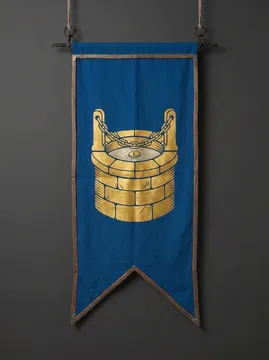 Vaskaryn 21
 -
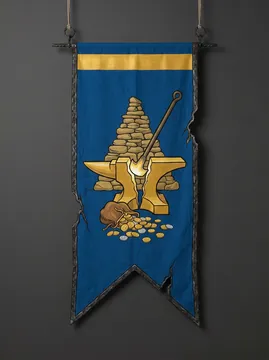 Anvilbrand 23 · Cracked
 -
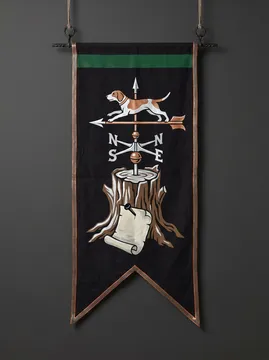 Maeryvane 24
 -
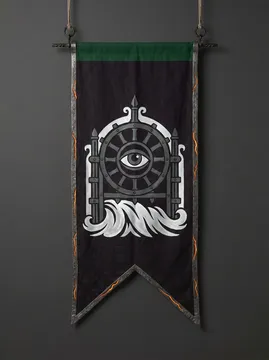 Quorravel 27 · Fracturing
 -
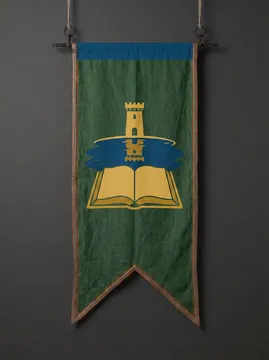 Thelanor 30
 -
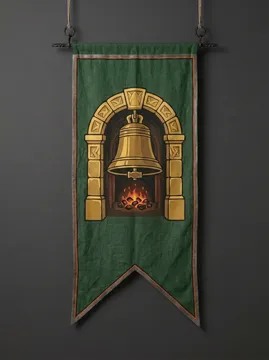 Belgrund 31
 -
 Kaldwyn 45
 -
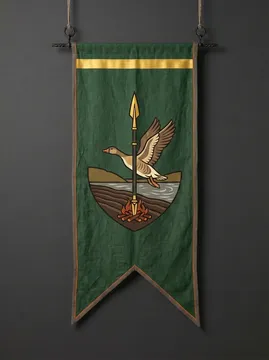 Emberlin 52
 -
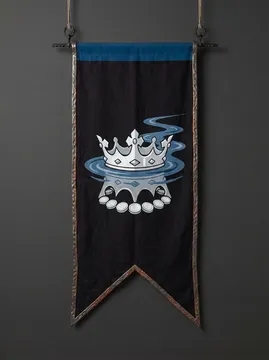 Aelvarion 54
 -
 Lysathiel 56
 -
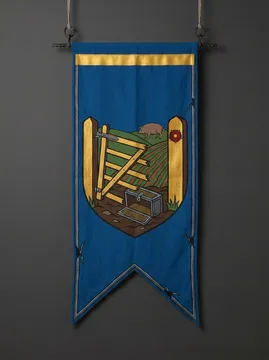 Farrowgate 59 · Cracked
 -
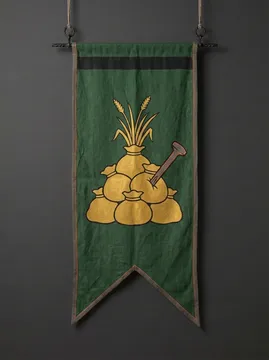 Drusenberg 62
 -
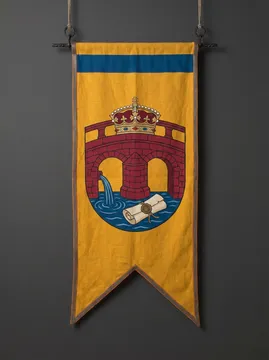 Quellborne 66
 -
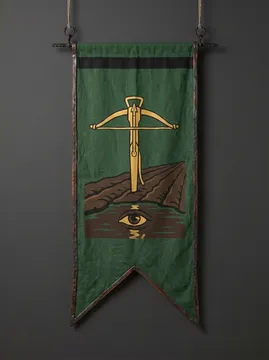 Umbermere 67
 -
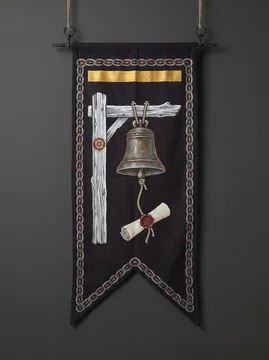 Dunmoral 72
 -
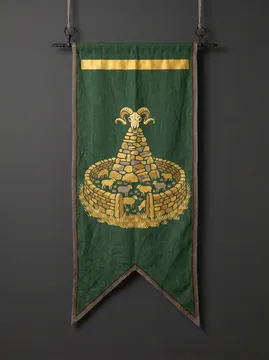 Belcarrow 78
 -
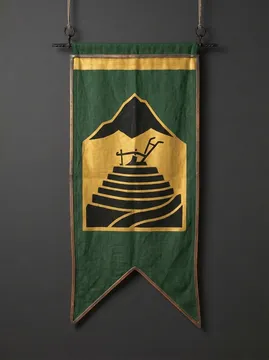 Vaddrek 81
Middling
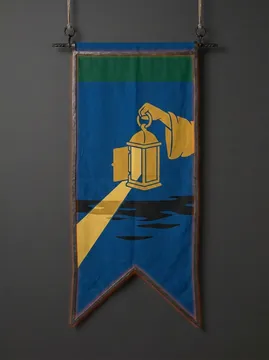
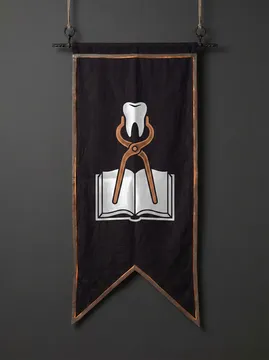
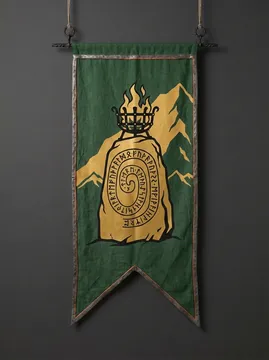
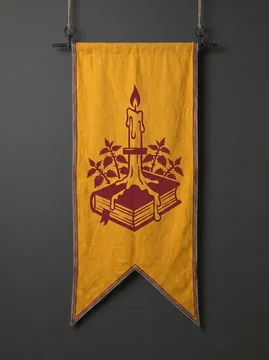
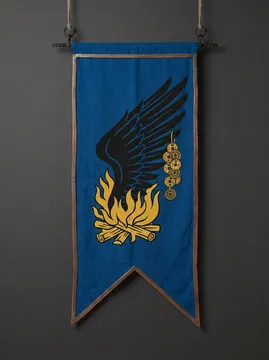
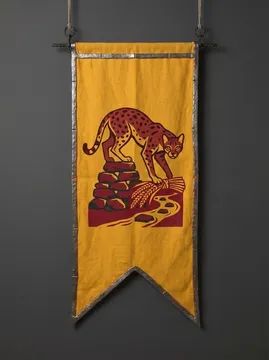
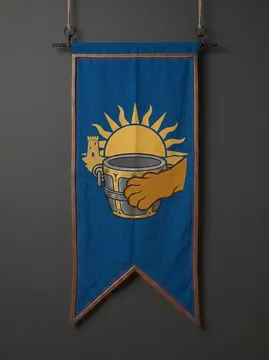
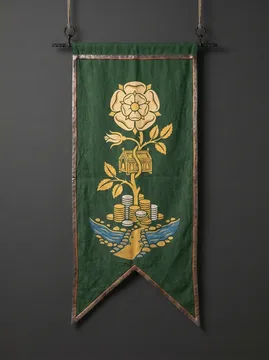
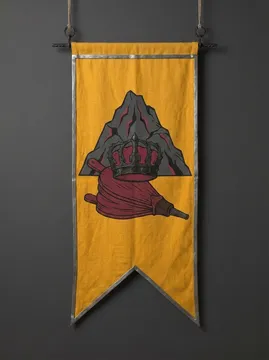
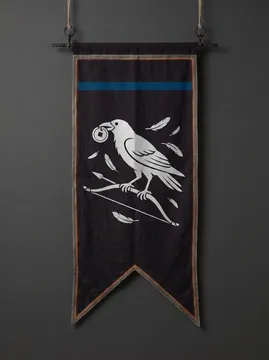
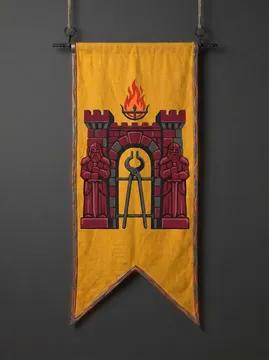
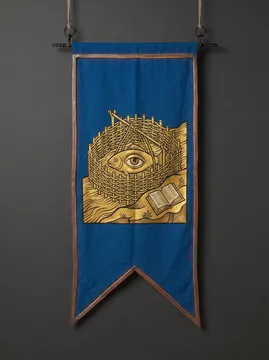
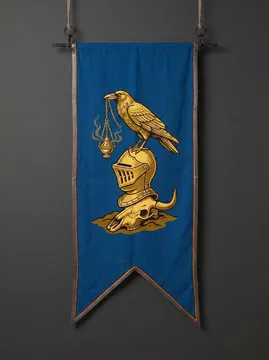

Minor
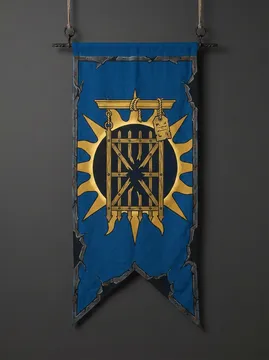
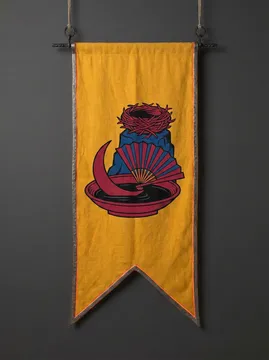
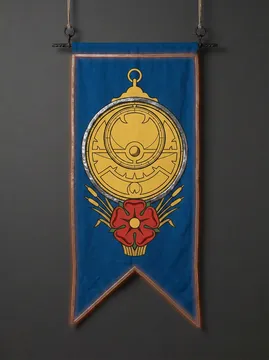
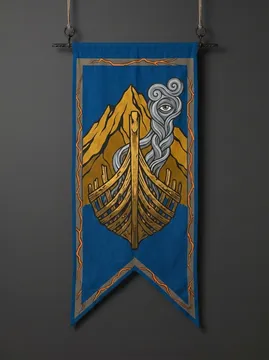
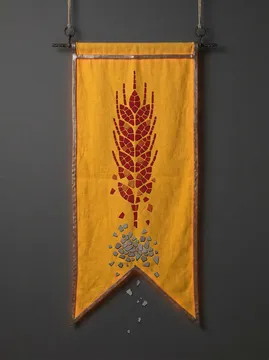
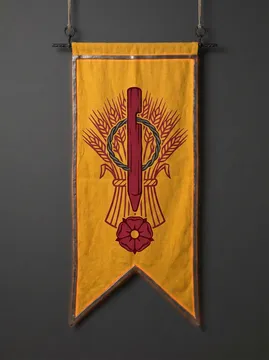
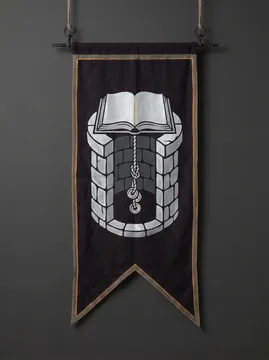
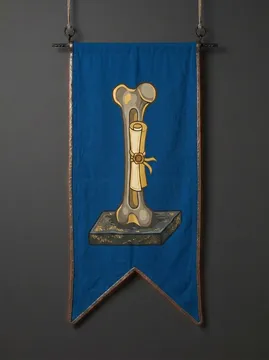
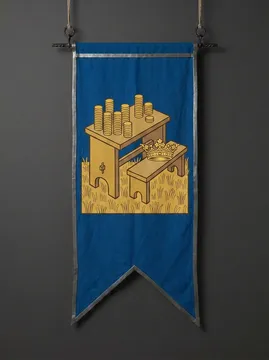
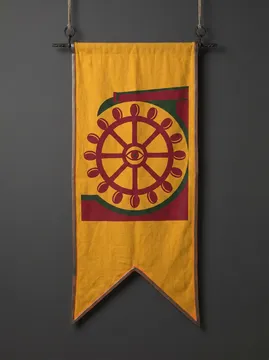
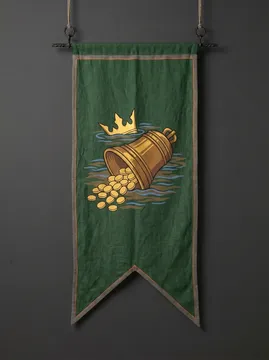
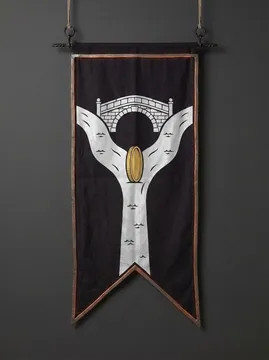
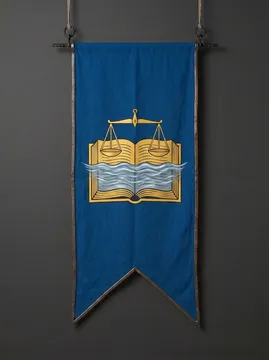
Rotten plate
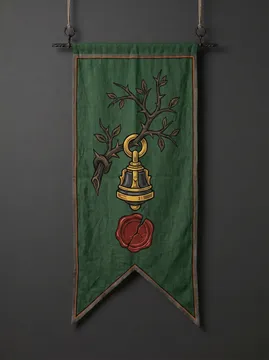
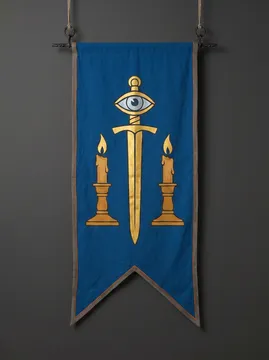
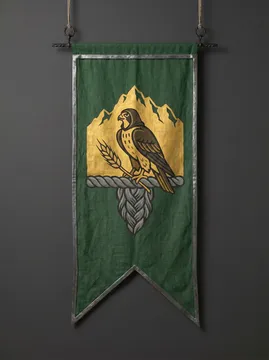
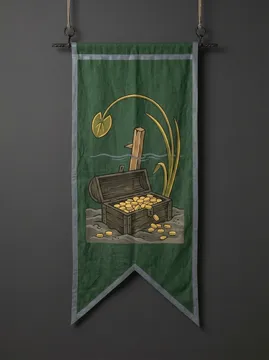
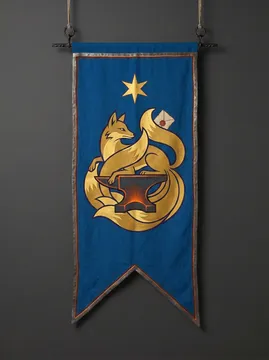
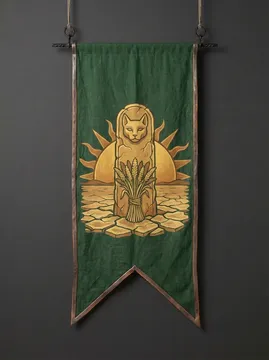
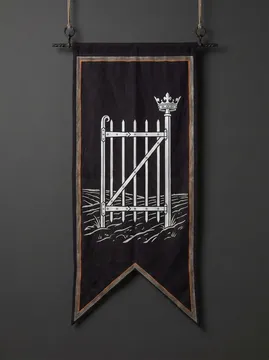
81 plates, band then plate number · 69 warm · 2 fracturing · 3 cracked · 7 cold
II.2 · The Blooding
When a dragon is born it is carried to the fire and its blood let in. If the blood is of a plated line the plate answers, and a new name rises struck into its face. If not, nothing happens at all, and the house that brought the child walks back out through the embassy district in front of everybody.
The Blooding cannot be forged, bought, argued or ruled around, which is why the plate-readers resent it and why the Accords have lasted. Names fade when their bearer dies, and a plate with no living names is cold. Cold plates are not reclaimed by distant cousins arriving with a genealogy. Several have tried.
A child of two plated houses could go to either ring, and the choice is made once, at the Blooding. That choice is the real substance of every marriage between plated houses. The dowry is ornament; the clause that matters names which plate the children will go to.
II.3 · The fracture
A plate cracks from the edge, over days or seasons, in full view of every ambassador in the world, and it stops if the house moves.
The case taught to every plate-reader in their first year: a daughter of a plated house did something the terms do not permit, and the iron began to open. Her brother, confirmed on the same plate and facing the same extinction, went after her. The crack stopped a finger’s width short of the rim while the house put down its own member, and went no further. The plate is warm today and still carries the scar.
So the iron scores the response rather than the act. Whether it understands what it is doing is the oldest argument at the Forge, and everyone arguing concedes only two points: it cannot be fooled about blood, and it responds to intent.
- One to three names
- Every act is the house’s act. There is no mass to absorb a mistake and nobody free to do the correcting, so one bad season can leave the plate cold — which is also why such a plate is the most expensive thing a marriage can secure.
- Twenty and up
- The plate stops responding to people and starts responding to policy. A great house’s plate opens because the house as a whole has drifted, so no single member can be blamed for it or stop it alone. Turning thirty dragons around takes years, and nobody knows how long the iron will wait.
II.4 · The four kinds of ruler
- The Plated
- Bloodlines with names on warm iron. They are the legal order of the world, which is not the same thing as being its great powers, and their standing is strictly hereditary.
- The Bound
- Enormous powers whose lines rose after the signing and hold no plate. They keep the terms anyway, more scrupulously than the plated do, since observance is the only standing they have. A new plate has been attempted nine times in eight centuries: twice the forge struck iron, seven times it did nothing at all.
- The Unbound
- A few dragon rulers who simply do not keep the terms: they hold more land than they can overfly and take wing when it suits them. Every plated Wright has condemned them, and no further step has been taken. The Forge has no procedure and no docket under which one could be.
- Mortal powers
- Most polities by count, and none of them major: free cities, republics, temple-corporations, clan holds, and cold houses whose dragon died and whose institutions did not. None of them were party to the terms, and the terms make no provision for them.
Your grandfather’s blood is why you are covered and I am not, and nobody has offered another reason. The Bound, standing case
II.5 · Rotten plates
The blocks the roster above is cut into are the other chamber’s business. The band is what the last assize assessed the house at, and the weights are the votes that follow from it at the Table. Standing in the ring is flat — a rotten plate has the same coverage and the same voice on precedent as a paramount house — and standing at the Table is not flat at all.
Standing was distributed by the power map of eight hundred years ago and has not moved. Some plated houses now rule enormously; some rule three valleys and a fishing port. A plate is a plate, so the fishing port has exactly the standing of the continent: the same voice on precedent, the same coverage, the same vote on whether the ring may ever grow.
Standing cannot be bought, conquered or married into; it is acquired at birth or not at all. A house down to two names is a full vote that might vanish inside a decade, so the great powers court it, finance it, garrison it for its protection and arrange its marriages down to the month. A minor plated heir is worth more than a province and is generally guarded like one: badly, by people the Accords do not cover.