
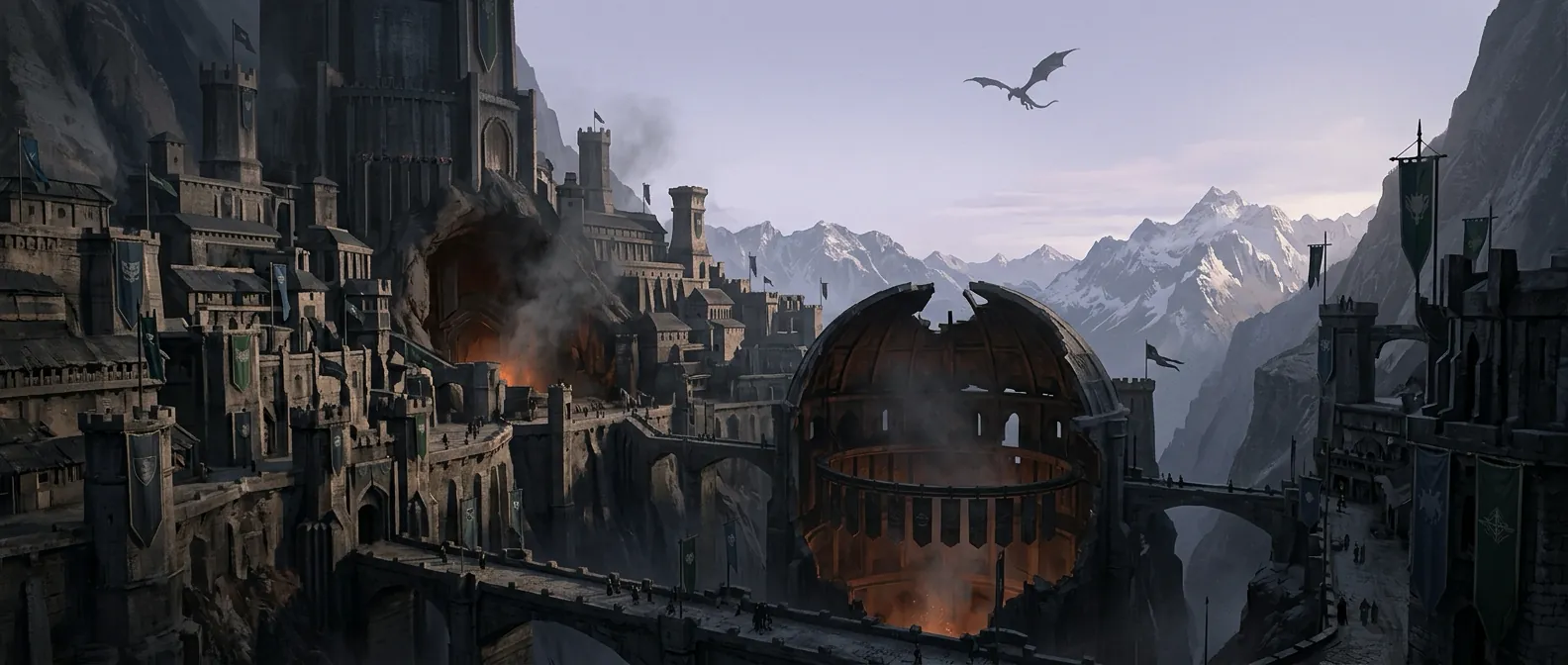
The Mortal Apparatus
Because the wyrms cannot act, mortals do everything, and the institutions that do it have grown very large.
- Viceroys
- Each Wright governs through mortal or half-blooded deputies holding real delegated authority. They are ambitious, frequently resentful, and expendable in a way their master is not.
- Scions
- Half-dragons and dragon-blooded, deliberately produced and raised as the acceptable middle instrument: strong enough to matter and not covered by the Accords. Draconic ancestry here is three things at once: citizenship, a claim on a plate, and a liability under Clause I. An Undivided court retains its scions as staff; a Kinsworn house records them as cousins, with a claim under clan inheritance law and obligations to match.
- Licensed agents
- The legal fiction that permits dragons to fight each other through mortals. A Forge licence carries standing at law, and revoking one is an act of state. Note what the fiction does not do: a house answers for the orders it gives its people exactly as for what it does itself, so hiring a mortal moves the evidence and not the liability.
- Plate-readers
- Draconic treaty lawyers. The work pays extremely well and kills a steady number of its practitioners, since a reading that costs a house its claim is traceable to the reader.
- The Forge
- Now principally an embassy district. The plates still hang in the ring at its heart, but the business of the city is a permanent congress of ambassadors, plate-readers, factors and licensed agents. No dragon may take true form within the walls; no reading of the prohibition covers steel.
The largest mortal establishment of all sits under the Table: several hundred surveyors, assessors and clerks of the charge, who run the assize and keep the register of weights. The Clerk of Weights is the most heavily bribed official in the world, and like every other office here is covered by nothing.
V.2 · Houses and powers
A house is everything a dragon accumulates around itself: the mortal dynasty that does the visible ruling; the holdings inside a day’s overflight, plus everything held at one remove through vassals; the offices captured over eight centuries; the debts owed in both directions; and under all of it a century of marriage contracts whose only important clauses concern which plate the children will be offered to.
A house can outlive its bloodline. A plate cools when its last name fades, but the dynasty, ledgers and garrisons do not stop. A cold house runs on institutional momentum with nothing at the top, so nothing in it is covered by Clause I any more.
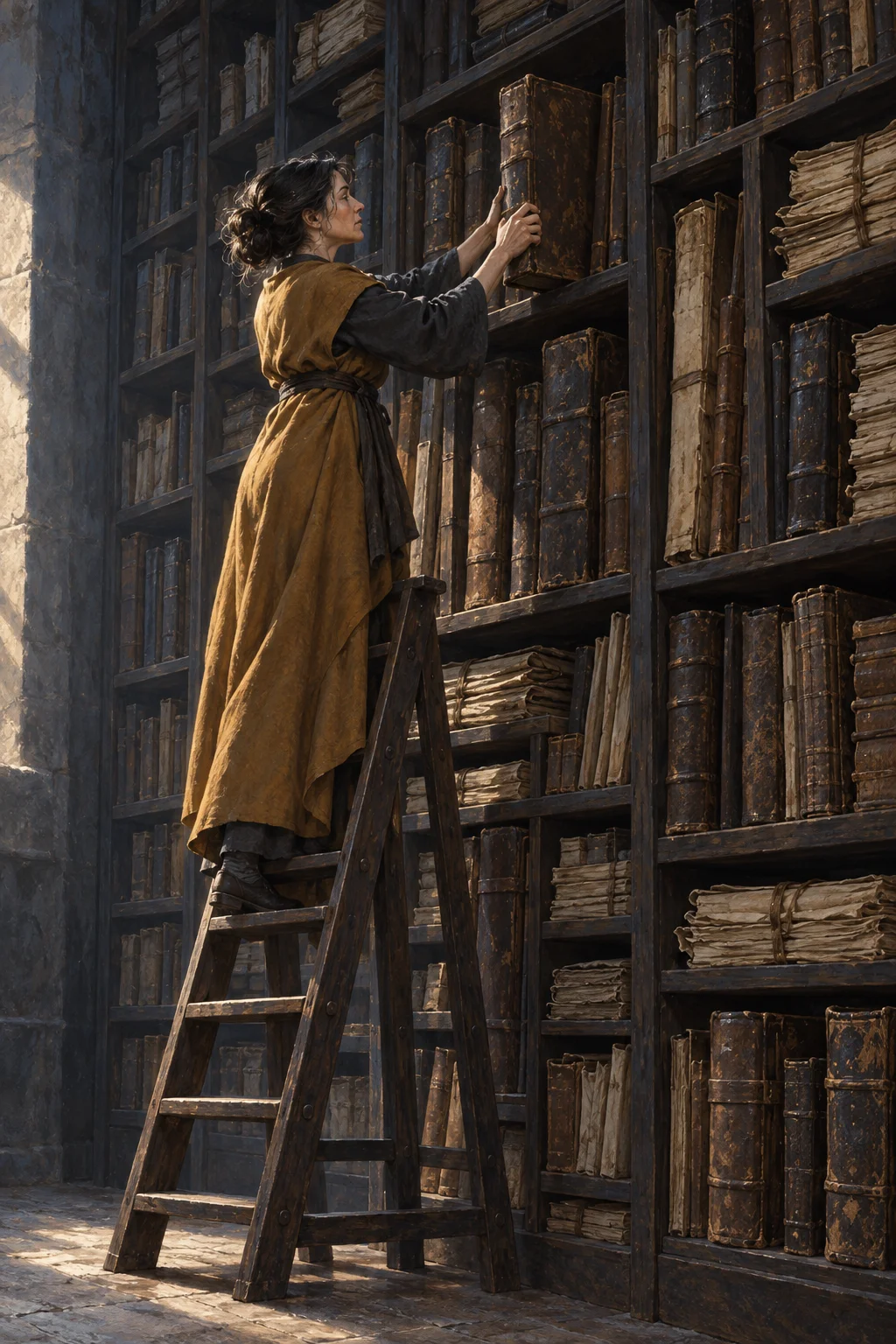
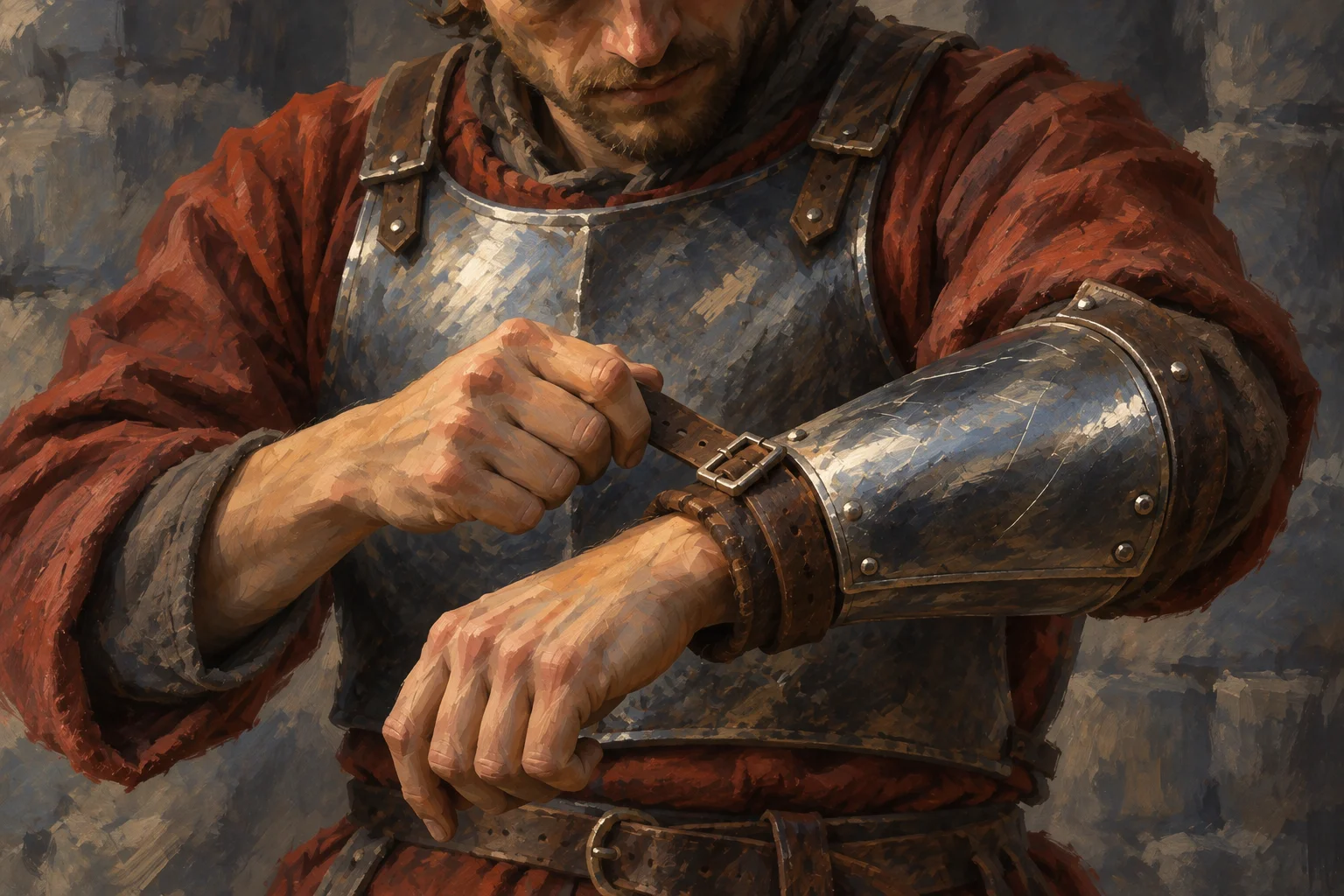
A house can also exist without ever having had a dragon. Banking houses, grain factors, mercenary companies, monastic orders, plate-reader firms, the Forge’s permanent bureaucracy. Some are older than the Wrights that nominally rule them, and a few quietly own theirs: a dragon three centuries into a debt it cannot service takes instruction from its creditors like anybody else.
V.3 · Traditions
| Tradition | Institutional character | Characteristic use of the Accords |
|---|---|---|
| Arcane | Mage-cities, academies, chartered guilds. Literate, procedural, obsessed with precedent. | Wrote most of the case law and still supplies the majority of plate-readers. |
| Divine | Temple-states. Hold both moral extremes and consider the middle a failure of nerve. | Signed last. Both wings call the treaty a compromise and disagree only about what it compromises with — evil, or weakness. |
| Occult | Rule through cults, debts, blackmail and information rather than office. | The main beneficiaries: a debt can be enforced where a punitive flight cannot. |
| Primal | Wilderness realms, herding cultures, thin borders. | Adherence is weakest here. A wyrm in a trackless waste holds no plate and is owed nothing under the terms. |
Any large power has more than one, in tension — the temple and the academy in the same city, hating each other, both indispensable.